


.svg)
Lost a Job Opportunity Due To a Failed Background Check?
.png)
What To Do After Losing a Job Opportunity Due to a Failed Background Check
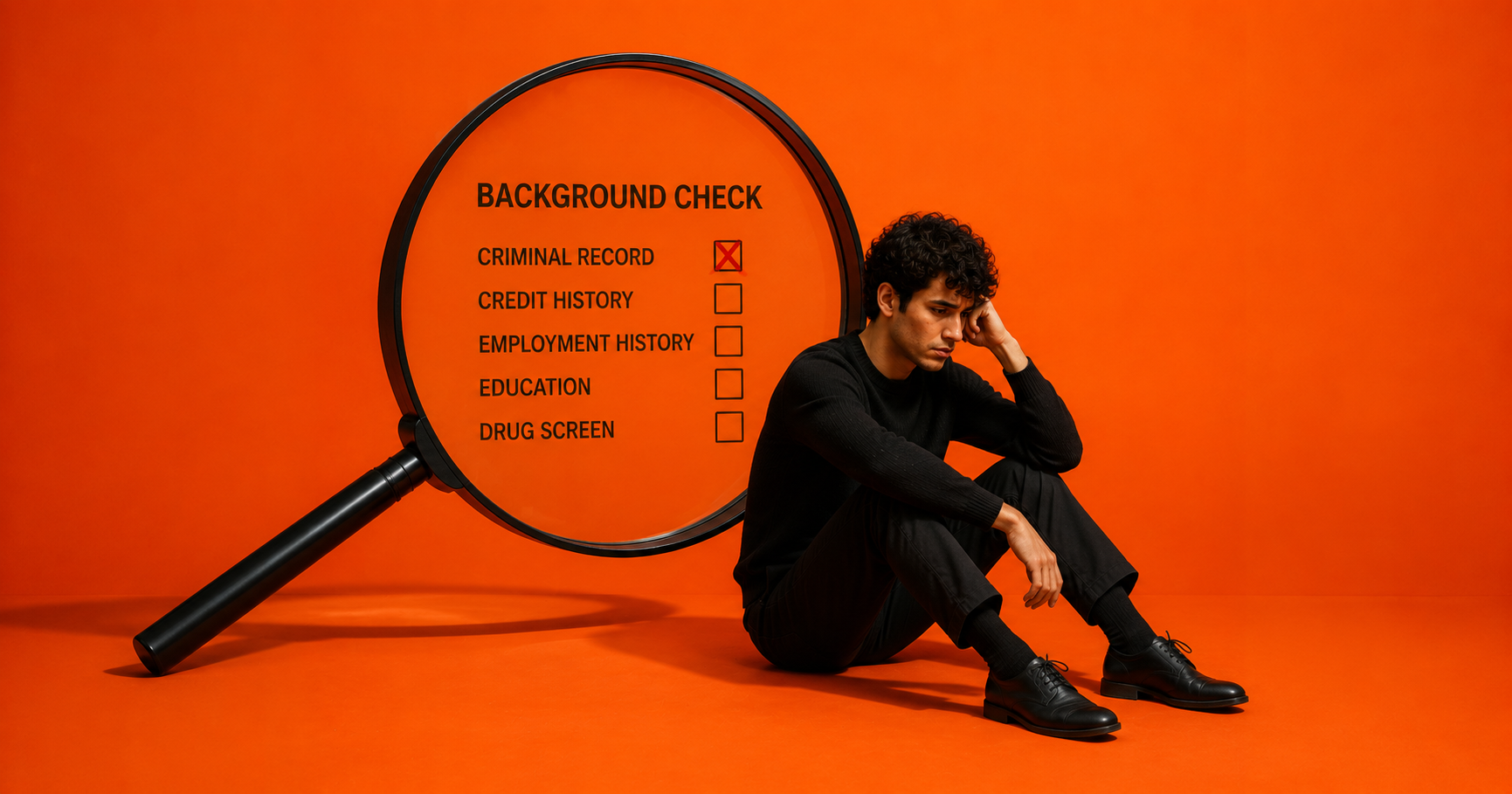
Getting a call, an email, or a rescinded job offer because of a background check is jarring, especially when you don't fully understand why it happened. You might be wondering if you did something wrong, whether there's anything you can do, or if you should just keep looking for another job.
Before you assume the worst, it's important to know that employers typically don't prepare these reports themselves. Instead, they hire a background check company to gather information from court records, public databases, past employers, educational institutions, and other sources.
Some of the most common employment background check providers we see in our cases include First Advantage, HireRight, Checkr, Asurint, and Accurate Background. If you were denied a job because of a background check, one of these companies may have prepared the report that influenced the employer's decision.
Federal law requires employers to follow a specific process before denying someone a job based on a background check. This guide explains how that process works, how to figure out whether a background check played a role in the decision, and what to do if your report contains a mistake.
Why This Might Not Be the End of the Road
Background check companies process millions of reports every year, using automated systems that pull information from multiple sources, usually with little human review. While that makes the process faster, it also creates opportunities for mistakes. We've seen reports include criminal records belonging to someone with a similar name, dismissed cases that should no longer appear, incorrect employment or education history, and even another person's information mixed into the wrong file.
None of those mistakes are your fault, and they don't necessarily mean you've lost your chance at the job. Before assuming the denial was justified, it's worth finding out exactly what was in your background check report and whether the information is actually accurate.
How Do You Know If a Background Check Was the Reason You Were Denied a Job?
Not every employer will come right out and say, "We didn't hire you because of your background check." Sometimes the hiring process simply goes quiet. Other times, you receive a generic email saying the company has decided to move forward with another candidate.
If you're wondering whether a background check played a role, here are a few common signs:
- You completed a background check shortly before the hiring process stopped.
- You received a conditional job offer that was later withdrawn.
- The employer asked you to authorize a background check, then stopped communicating shortly afterward.
- You received an email or letter mentioning a consumer report, background check, or adverse action.
- You were told the company decided not to move forward but weren't given a clear explanation.
Of course, not every hiring decision is based on a background check. Employers reject applicants for many reasons. But if the timing lines up with your background screening, it's worth asking whether the report influenced the decision.
If a background check was used, you have the right to know which company prepared the report and, in most situations, to receive a copy before the decision becomes final.
What Should Have Happened Before You Were Denied?
Federal law generally requires employers to follow a specific process before making a final decision based on information in a background check. Here's what should have happened:
1. You Should Have Received a Notice
Before making a final decision, the employer should have sent you a pre-adverse action notice, along with a copy of your background check and a summary of your rights under the Fair Credit Reporting Act (FCRA).
Don't let the name intimidate you. A pre-adverse action notice simply means the employer is considering making a negative decision based on your background check, but they haven't made it yet.
2. You Should Have Had Time to Review It
The purpose of the waiting period is to give you an opportunity to review the report and point out any mistakes before the employer makes a final decision.
If your report contained someone else's criminal record, an old case that should no longer appear, or another error, this is your chance to bring it to the employer's attention and begin correcting it.
3. Only Then Should a Final Decision Be Made
If the employer still decides not to hire you, they should send you a final adverse action notice explaining that the background check played a role in the decision. That notice should also tell you which company prepared the report and remind you that you have the right to request a free copy and dispute inaccurate information.
If you never saw your background check, never had a chance to review it, or only found out you were denied after the decision had already been made, something may have gone wrong. It's worth taking a closer look before assuming the employer followed the proper process.
What to Do After Being Denied a Job Due To Your Background Check

1. First, take a breath.
A background check denial can feel final, but it isn't always. Sometimes the employer hasn't made a final decision yet. Sometimes the information on the report shouldn't be there in the first place. Before assuming the opportunity is gone for good, it's worth understanding exactly what happened.
2. Find out exactly why you were denied.
Don't guess. Reach out and ask for:
- A copy of the background check, if you haven't received one.
- The name of the company that ran the background check.
- The specific information that led to the decision.
- Whether the decision is final, or whether you still have time to respond.
3. Read the report carefully.
Once you have the report in hand, don't just skim it. Go through it line by line and look for things like:
- Criminal records that belong to someone else.
- Charges that were dismissed or never resulted in a conviction.
- A case that shows the wrong outcome.
- Duplicate entries.
- Wrong addresses, employers, or education history.
- Licenses shown as suspended when they were actually reinstated.
It only takes one small mistake to change the outcome of a job screening, and mistakes like these happen more often than you'd think.
What To Do If You Find a Mistake on Your Employment Background Check
If the report is accurate, your options may be more limited, but you still have rights. In some situations, the employer may not have followed the proper process, or information may have been reported that shouldn't legally still appear on your file.
If the report is wrong, act quickly. Incorrect criminal records, mixed-up files, outdated information, and other reporting errors can often be disputed and corrected. The sooner you start, the better your chances.
If you do find an error, here's how to start the dispute process:
- Tell your employer right away.
- Save every email and letter related to the decision.
- Gather documents that prove the information is wrong, such as court records, ID docs, or pay stubs.
- Send a written dispute to the background check company.
- Keep copies of everything you send.
The background check company generally has about 30 days to investigate your dispute.
Common Background Check Mistakes

You are far from the only person this happens to. Background check companies process enormous amounts of data very quickly, often with automated systems and limited human review, and that combination leads to mistakes more often than it should. Some of the most common employment background check errors include:
- Criminal records that belong to someone else with a similar name or date of birth.
- Charges that were dismissed, expunged, or sealed still appearing on the report.
- Duplicate entries that make a single incident look like a pattern.
- Outdated information that should have aged off the report.
- Incorrect employment or education verification.
- Mixed files, where another consumer's data gets merged into yours.
Want the full picture of how these mistakes happen and how the dispute process works? See our complete guide to employment background check errors.
Your Rights Under the FCRA
As a job applicant or employee, federal law gives you specific, enforceable rights when a background check is involved in an employment decision:
- The right to receive written notice before the screening is run and to authorize it
- The right to receive a copy of the report before a final decision is made
- The right to a reasonable amount of time to review and respond before the decision is finalized
- The right to a free copy of your report within 60 days of an adverse action
- The right to dispute inaccurate information and have it investigated
- The right to pursue compensation if the background check company or employer violated the FCRA
None of this is rare. Complaints involving credit bureaus, information furnishers, and users of consumer reports have become the largest single complaint category tracked by the FTC’s Consumer Sentinel Network, growing from nearly 600,000 reports involving credit bureaus in 2021 to more than 1.35 million reports in the broader category in 2024. FCRA litigation has also remained high, with industry tracking showing 661 FCRA lawsuits filed in June 2025 alone, a 33.3% increase compared with June 2024. Mistakes like these are common, and the law gives you a real path to fix them.
When Should You Talk to a Background Check Lawyer?
Not every job denial requires legal action, and that's okay. But there are situations where it's worth talking to a background check lawyer, especially if any of this sounds familiar:
- Your background check contained inaccurate information.
- You were denied due to info in your background report, but weren't given a chance to review or dispute it before your job offer was rescinded.
- You disputed errors, but the background check company refused to correct them or falsely claimed the info was "verified" as accurate.
- Reporting mistakes caused you to lose a job or another employment opportunity.
At Mistake.com, we start by simply understanding what happened. That means looking at:
- Your background check report.
- The notices you received from the employer.
- Any disputes you've already filed.
- The timeline leading up to the decision.
From there, we'll explain your rights under the Fair Credit Reporting Act, answer your questions honestly, and help you figure out whether you may have a legal claim. If you do, we'll walk you through what happens next.
Real Stories From Our Clients
Cleared of Criminal Cases That Weren't His: One client came to us after a background check turned up criminal cases that didn't belong to him, mistakes that stood between him and a job. We were successful in getting the incorrect cases removed and getting him a settlement (at no upfront cost to him), making what he later described as "a big impact" on his life going forward.
Fired Over a First Advantage Error: When one employee lost his job due to an error on a background check prepared by First Advantage, he found the experience infuriating and asked us to take over. From the very first call, we handled every aspect of his case and made sure his questions were answered clearly at every step. He ended up appreciating our communication as much as the resolution we helped him get.
A Checkr Error That Almost Cost Him His Case: Despite initial skepticism about reaching out for help, one job seeker who lost out on work due to a Checkr background check error, was glad he did. When we ultimately negotiated a settlement that overcame challenges and beat his expectations, he praised our communication throughout the process.
Treated With Respect Through the Dispute Process: For one client who needed help disputing incorrect information on his background report, we received accolades for guiding him through the process with "the utmost respect." Our efforts ultimately earned us not only a positive outcome for his case, but also his sincere recommendation that anyone else gearing up for a background check dispute on their own should consider working with our lawyers instead.
Background Check Resources
We believe in giving you more than just our side of the story. Here are other resources that can help you:
- Federal Trade Commission: Background Checks, What Job Applicants and Employees Should Know
- Consumer Financial Protection Bureau: Background Check Guidance
- Equal Employment Opportunity Commission: Background Checks and Fair Hiring
- File a Complaint with the CFPB
- Gig Platform Background Check Errors
- Checkr Background Check Errors & Disputes
- Uber Background Checks: Timing, Disqualifiers, Deactivation
- Lyft Background Checks: Timing, Disqualifiers, Deactivation
- DoorDash Background Checks: Timing, Disqualifiers, Deactivation
- Instacart Background Checks: Timing, Disqualifiers, Deactivation
- Walmart Spark Background Checks: Timing, Disqualifiers, Deactivation
- Amazon Flex Background Checks: Timing, Errors, Disputes
- How To Dispute Employment Background Check Errors
FAQs

If you completed a background check shortly before the hiring process stopped, had a conditional job offer withdrawn, or received a notice mentioning a consumer report or adverse action, there's a good chance the background check played a role. If you're unsure, ask the employer whether a background check influenced the hiring decision and which company prepared the report.
Start by requesting a copy of your background check report from the employer or the screening company. You have the right to see it. Once you have it, read it carefully and compare it against what you actually know to be true: your real criminal history if any, past addresses, employers, and education. If anything is wrong, misleading, incomplete, duplicate, someone else's, or shouldn't have been reported, it's likely a mistake and you'll need to dispute it.
It depends. Employers do not have to reverse their specific hiring decision, even if it was based on errors in your background check. They may be willing to reconsider, especially if the error was caught and corrected before the decision was finalized. But the more common outcome is correcting the report and pursuing compensation for the harm the error caused (including losing out on a job you might otherwise have landed).
There is no single hard deadline written into the statute, but FTC guidance treats at least five business days after the pre-adverse action notice as a reasonable minimum. If your employer finalized a decision immediately, without any waiting period, that may be a violation worth having reviewed. Notably, screening companies have 30 days to investigate disputes, so the timelines don't always work in your favor.
If you were denied a job because of a background check and never saw the report or received any notice beforehand, your employer may have skipped a legally required step. This is one of the more common, and more provable, FCRA violations.
A pre-adverse action notice comes first and gives you a chance to review the report and respond before anything is final. A final adverse action notice comes after the waiting period and confirms the decision, along with your ongoing right to dispute the report.
It depends on what happened. If inaccurate information caused you to lose a job, the background check company failed to correct the error, or the required process wasn't followed, you may have legal rights under the Fair Credit Reporting Act. Every case is different, so it's important to have the facts reviewed before assuming you don't have a claim.
At Mistake.com, there is no cost to you. The FCRA includes a fee-shifting provision, which means the background check company pays our legal fees when we win your case.
Ready to Fix Your Background Check?
A background check mistake doesn't have to cost you the job you deserved. If inaccurate information led to your denial or a rescinded offer, you have important rights under the FCRA.
Our attorneys will review your background check errors at no cost, explain your options, and determine whether you may be entitled to compensation.
Get Started Today
.png)
